Payroll Management: The Backbone of Efficient Business Operations
- TEAM UNIRR
- Apr 11
- 3 min read

In today’s competitive business environment, managing employees effectively involves much more than just assigning tasks and tracking performance. One of the most essential functions of any organization is payroll management. The best payroll management approach ensures that businesses can handle salary processing efficiently while maintaining compliance with legal and financial regulations. A well-organized payroll management system not only supports business operations but also strengthens employee trust and satisfaction.
What is a Payroll Management System?
It refers to a structured process or software that helps organizations calculate and distribute employee salaries, including wages, bonuses, deductions, and taxes. A payroll management system involves maintaining detailed records of employee attendance, working hours, leaves, and other variables that directly impact salary calculations. This ensures that every employee receives the correct compensation based on their work and company policies.
Key Components of Payroll Management
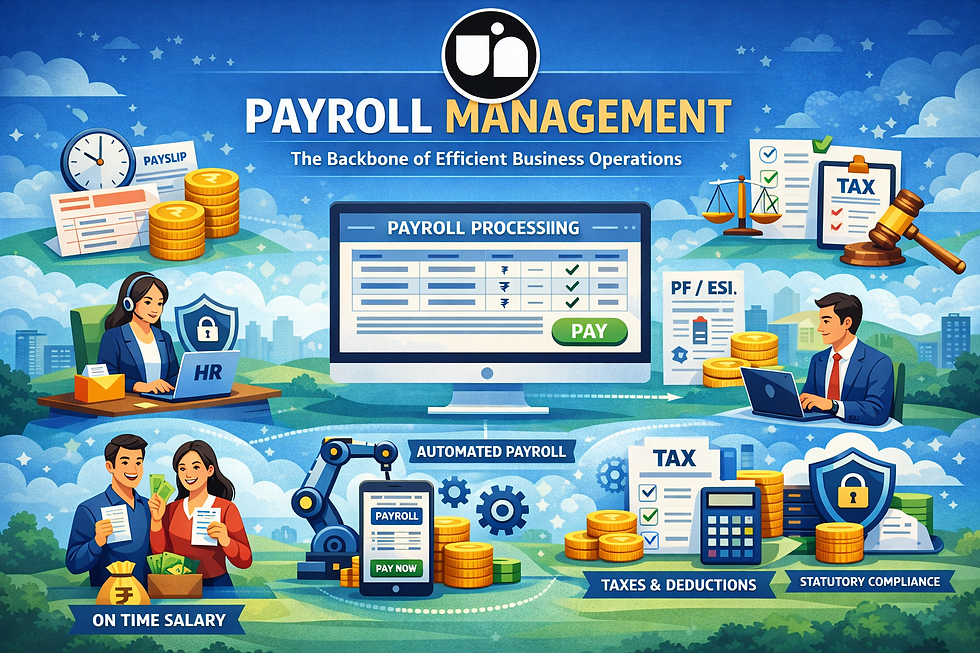
The best payroll management system includes several important elements that work together to ensure smooth salary processing. These include salary structure, tax deductions, statutory compliance, attendance tracking, and payslip generation. A modern payroll management software integrates all these components into one platform, ensuring that payroll operations remain accurate, transparent, and efficient.
Challenges in Payroll Management
Many organizations still rely on manual processes instead of using payroll management software, which often leads to errors and inefficiencies. Common challenges include incorrect calculations, delayed salary payments, compliance issues, and data mismanagement. Without a proper HR and payroll solution, these problems can negatively impact employee morale and may result in financial penalties and legal complications.
Role of Automation in Payroll Management
With the advancement of technology, HR payroll solution platforms have made payroll management more streamlined and efficient. Modern payroll management software helps businesses automate salary calculations, manage tax deductions, and generate reports instantly. This not only reduces human errors but also saves valuable time for HR teams, allowing them to focus on strategic activities rather than repetitive tasks.
Importance of Compliance in Payroll
Compliance is a critical aspect of payroll management, especially in a country like India, where labor laws and tax regulations are constantly evolving. Organizations must adhere to statutory requirements such as Provident Fund (PF), Employee State Insurance (ESI), Professional Tax, and income tax rules. Using the best payroll management software ensures that businesses stay updated with regulations and avoid penalties.
Impact on Employee Satisfaction
An efficient HR and payroll solution has a direct impact on employee satisfaction. Timely and accurate salary payments build trust and create a positive work environment. When employees feel confident that their compensation is handled correctly through a reliable payroll management system, it boosts morale and productivity. On the other hand, payroll errors or delays can lead to dissatisfaction and reduced engagement.
Data Security in Payroll Management
A secure payroll management software is essential because payroll systems handle sensitive employee data, including bank details and tax information. Ensuring data protection is crucial for maintaining confidentiality and trust. Modern HR payroll solution platforms use advanced security features such as encryption and secure cloud storage to protect information from unauthorized access.
Benefits of an Efficient Payroll System
The best payroll management practices combined with advanced payroll management software offer numerous benefits to organizations. These systems improve accuracy, reduce administrative workload, ensure compliance, and provide valuable insights into labor costs. Businesses using a reliable HR and payroll solution can make better financial and operational decisions, contributing to overall growth.
Future of Payroll Management
The future of payroll management system solutions is becoming increasingly digital and intelligent. Technologies like artificial intelligence and cloud computing are transforming how payroll management software operates. These innovations are making payroll processes faster, more accurate, and more adaptable to changing business needs.
Conclusion
Payroll management is more than just salary processing; it is a critical function that supports the overall efficiency and success of an organization. By adopting the best payroll management software and implementing a strong HR and payroll solution, businesses can streamline operations, enhance employee satisfaction, and drive long-term growth.


Comments